



Categories
Women’s Wellness

How to Choose the Best Lady Gynecologist in Panchkula (2026) | Dr. Nitasha Gupta

How to Choose a Good Lady Gynecologist in Panchkula? (2026 Expert Guide)


Clinically reviewed by Dr. Nitasha Gupta – Gynecologist & IVF Specialist, Kore Fertility Solutions

Choosing the right lady gynecologist is one of the most important healthcare decisions a woman makes. Whether it’s your first period, pregnancy planning, PCOS, infertility, menopause, or preventive screening, the right gynecologist becomes a lifelong health partner.

For women searching for the best lady gynecologist in Panchkula, Zirakpur, Dhakoli, Chandigarh, Mohali, or Dera Bassi, this 2026 expert guide will help you make a confident, informed decision.


Why Choosing the Right Gynecologist Matters

A trusted gynecologist is not just a doctor — she is someone you rely on for physical comfort, emotional safety, and long-term reproductive health.

The best gynecologist in Panchkula helps with:

  • Care from adolescence to menopause
  • Accurate diagnosis of hormonal and menstrual issues
  • Pregnancy and high-risk pregnancy management
  • PCOS, infertility, IVF & IUI guidance
  • Preventive screenings and women’s wellness care

Your choice directly impacts outcomes, comfort, and peace of mind.


Key Factors to Choose the Best Lady Gynecologist in Panchkula

1. Qualifications & Clinical Experience

Always look for a gynecologist with strong academic and clinical credentials such as MBBS, MS (Obs & Gynae), and hands-on experience in:

  • PCOS & hormonal disorders
  • Infertility & IVF/IUI treatment
  • High-risk pregnancy care
  • Laparoscopy & hysteroscopy
  • Menopause & adolescent gynecology

Dr. Nitasha Gupta is a highly experienced gynecologist and IVF specialist offering evidence-based care across Panchkula and Tricity.


2. Patient Reviews & Reputation

When searching for a gynecologist near me, always check:

  • Google Reviews
  • Practo & healthcare platforms
  • Clinic website testimonials

Consistent reviews mentioning clarity, compassion, ethical treatment, and positive outcomes indicate a trusted gynecologist.


3. Comfort, Communication & Privacy

The best lady gynecologist in Panchkula ensures:

  • Non-judgmental listening
  • Clear explanation of diagnosis and treatment
  • Respect for privacy and confidentiality
  • Emotional reassurance during sensitive discussions

Many women prefer a lady doctor for comfort — and this preference is completely valid.


4. Location & Accessibility

Choose a clinic that is easy to reach when searching for a gynecologist in Panchkula near me.

Checklist:

  • Close to home or workplace
  • Parking & transport access
  • Emergency support availability
  • Flexible appointment slots

Dr. Nitasha Gupta serves patients from Panchkula, Zirakpur, Dhakoli, Chandigarh, Mohali, and Dera Bassi.


5. Range of Services Offered

A comprehensive gynecology clinic should offer:

  • Pregnancy & painless delivery care
  • PCOS & infertility management
  • IVF, IUI & ovulation tracking
  • Ultrasound, SIS & hormonal testing
  • Laparoscopy & hysteroscopy
  • Fibroid, cyst & abnormal bleeding care
  • Pap smear & contraception counseling

Kore Fertility Solutions provides integrated women’s health and fertility services under one roof.


6. Technology & Infrastructure

Modern clinics must have:

  • Advanced ultrasound & diagnostic labs
  • Minimally invasive surgical facilities
  • Strict hygiene and privacy protocols
  • Emergency preparedness

7. Transparent Fees & Ethical Care

The best gynecologist in Panchkula always discusses:

  • Consultation charges
  • Treatment options & alternatives
  • Expected outcomes
  • Insurance or cashless support (if applicable)

Transparency builds trust and improves long-term outcomes.


Why Women Trust Dr. Nitasha Gupta

  • Extensive experience in gynecology & IVF
  • Ethical, evidence-based treatment protocols
  • Advanced fertility & women’s health care
  • High patient satisfaction & trust
  • Personalized care at every life stage

FAQs – Choosing the Best Lady Gynecologist

Is it better to consult a lady gynecologist?

Many women feel more comfortable with a lady gynecologist due to better communication and shared understanding, especially for sensitive concerns.

How do I find the best gynecologist near me?

Search online, read patient reviews, check credentials, and ensure the clinic offers comprehensive services.

When should I see a gynecologist?

For periods, pregnancy planning, PCOS, infertility, pain, abnormal bleeding, menopause, or routine check-ups.

Do gynecologists offer IVF and fertility care?

Yes. Specialists like Dr. Nitasha Gupta provide IVF, IUI, and fertility management under expert supervision.

Are online consultations available?

Many clinics now offer teleconsultations for initial guidance.


Conclusion

Choosing the best lady gynecologist in Panchkula is an investment in your lifelong health. Look for expertise, empathy, transparency, and modern care.

If you are searching for a gynecologist near me or a trusted women’s health expert in Tricity, Dr. Nitasha Gupta offers compassionate, advanced, and ethical care tailored to every stage of a woman’s life.

Book your consultation today and take charge of your health with confidence.
Categories
Women’s Wellness

PERIOD & TEEN HEALTH

Teen Period Health Guide (2026): What’s Normal, What’s Not?

Periods are an important milestone in a girl’s life, yet teen period health remains one of the most misunderstood topics even in 2026. Parents and teenagers often worry about irregular cycles, pain, mood changes, and long gaps between periods.

As a Consultant Gynecologist & IVF Specialist, Dr. Nitasha Gupta helps families understand what is normal during teenage years, what needs medical attention, and how early care protects long-term fertility and hormonal health.

When Do Periods Usually Start in Teenagers?

Most girls get their first period (menarche) between the ages of 9 and 15 years. In the first 1–2 years, cycles can be irregular due to an immature hormonal axis.

Occasional missed periods or cycle variation is common in early teen period health and usually settles with time.

What Is Considered Normal in Teen Periods?

  • Cycle length between 21–45 days
  • Bleeding for 3–7 days
  • Mild to moderate cramps
  • Slight mood changes
  • Occasional irregularity in the first 2 years

What Is NOT Normal? Red Flags Parents Should Know

  • Periods absent for more than 3 months
  • Very heavy bleeding (changing pad every hour)
  • Severe pain affecting school or daily life
  • Periods lasting more than 7–8 days
  • Excess acne or facial hair
  • Rapid weight gain or obesity

These signs may indicate hormonal imbalance in teenagers or early PCOS and should not be ignored.

Common Teen Period Problems Seen in 2026

Gynecologists are seeing a rise in teen menstrual problems due to lifestyle changes. Common concerns include:

  • Irregular periods in teenagers
  • Hormonal imbalance due to stress and poor sleep
  • Early PCOS symptoms
  • Low iron levels (anaemia)
  • Severe menstrual cramps

When Should a Teen See a Gynecologist?

A consultation with a gynecologist for teens is advised if:

  • Periods have not started by age 15
  • Severe cramps persist for months
  • Periods remain irregular beyond 2 years
  • There are signs of PCOS or hormonal imbalance

At Kore Fertility Solutions, teens receive confidential, counselling-first care in a comfortable environment.

How Parents Can Support Teen Period Health

  • Encourage open conversations
  • Promote balanced nutrition and iron-rich foods
  • Ensure adequate sleep and stress management
  • Seek early medical advice when needed

Early care prevents long-term hormonal and fertility problems.

Expert Note

“Most teen period issues are manageable when addressed early. Ignoring symptoms can affect future reproductive health.”
Dr. Nitasha Gupta

Frequently Asked Questions (FAQs)

Are irregular periods normal in teenagers?

Yes, irregular periods are common in the first 1–2 years after menarche. Persistent irregularity needs evaluation.

Can teenagers develop PCOS?

Yes, early signs of PCOS can appear during teenage years and should be evaluated early.

When should parents worry about periods?

If periods are absent, extremely painful, or very heavy, medical consultation is advised.

Categories
PCOS & Hormonal Disorders Women’s Wellness

Why More Women in Their 20s & 30s Are Facing Hormonal Imbalance in 2026

Hormonal imbalance symptoms in women in their 20s and 30s explained by Dr Nitasha Gupta fertility specialist

Why More Women in Their 20s & 30s Are Facing Hormonal Imbalance in 2026

Hormonal imbalance in women has emerged as one of the fastest-growing health concerns in 2026, particularly among women in their 20s and early 30s. Increasingly, women across Zirakpur, Panchkula, Chandigarh, Mohali, Dera Bassi and other parts of India are reporting irregular periods, PCOS symptoms, unexplained weight gain, acne, hair fall, mood changes, and fertility concerns.

According to clinical observations, hormonal imbalance in women is no longer age-restricted. Lifestyle stress, disrupted sleep, insulin resistance, thyroid disorders, and delayed pregnancy planning are now triggering hormonal disturbances much earlier.

In this 2026 expert guide, Dr. Nitasha Gupta, Consultant Gynecologist & IVF Specialist at Kore Fertility Solutions, explains why hormonal imbalance in women is increasing, how it affects fertility, and when medical evaluation becomes essential.

What Is Hormonal Imbalance in Women?

Hormonal imbalance occurs when key reproductive and metabolic hormones such as estrogen, progesterone, insulin, thyroid hormones, and androgens are either produced in excess or deficiency. Even mild imbalance can disrupt the menstrual cycle, ovulation, metabolism, mood, and long-term fertility.

Untreated hormonal imbalance in women can gradually progress into PCOS, infertility, thyroid disorders, diabetes, and pregnancy complications.

Why Hormonal Imbalance Is Rising in Women in Their 20s & 30s

1. Chronic Stress & Cortisol Overload

High stress levels elevate cortisol, which directly interferes with ovulation and progesterone balance, making hormonal imbalance in women increasingly common.

2. PCOS and Insulin Resistance

PCOS is now being diagnosed in women as young as 18–22 years. Insulin resistance strongly contributes to hormonal imbalance, irregular periods, and infertility.

3. Irregular Sleep & Screen Exposure

Poor sleep disrupts melatonin and insulin regulation, worsening hormonal imbalance and menstrual irregularities.

4. Crash Dieting & Nutrient Deficiency

Extreme dieting affects estrogen production and delays ovulation, increasing hormonal imbalance in women.

5. Delayed Pregnancy Planning

While lifestyle timelines have changed, biology has not. Hormonal imbalance becomes more apparent when conception is delayed.

Early Symptoms of Hormonal Imbalance Women Often Ignore

  • Irregular or missed periods
  • Sudden weight gain or difficulty losing weight
  • Adult acne or oily skin
  • Hair fall or facial hair growth
  • Mood swings, anxiety, fatigue
  • Difficulty conceiving

How Hormonal Imbalance Affects Fertility

Hormones control ovulation. When hormonal imbalance persists, ovulation may become irregular or stop completely. This leads to delayed conception and reduced success rates in both natural pregnancy and assisted treatments like IVF.

At Kore Fertility Solutions, early correction of hormonal imbalance has shown significantly improved fertility outcomes.

When Should You Consult a Gynecologist?

You should consult a fertility specialist like Dr. Nitasha Gupta if:

  • Periods remain irregular for more than 3 months
  • You are planning pregnancy with unpredictable cycles
  • PCOS or thyroid symptoms appear early
  • You experience persistent fatigue, mood changes, or weight gain

Trusted Hormonal & Fertility Care in Tricity

Dr. Nitasha Gupta provides ethical, evidence-based hormonal and fertility care for women across Zirakpur, Dhakoli, Panchkula, Chandigarh, Mohali, and Dera Bassi. Her clinical approach focuses on accurate diagnosis, personalised treatment, and long-term reproductive health.

Book a consultation: Schedule an appointment with Dr. Nitasha Gupta

Frequently Asked Questions

Can stress alone cause hormonal imbalance?

Yes. Chronic stress can suppress ovulation and significantly disrupt hormonal balance.

Is hormonal imbalance reversible?

In most cases, hormonal imbalance in women is reversible with early diagnosis and proper medical care.

Does hormonal imbalance always mean PCOS?

No. Thyroid disorders, lifestyle factors, and stress can also cause hormonal imbalance.

When should fertility evaluation begin?

If conception does not occur within 6–12 months or periods are irregular, fertility evaluation is recommended.

For global medical references, see:
World Health Organization (WHO) |
American College of Obstetricians & Gynecologists

Categories
Women’s Wellness

Menopause Symptoms & Treatment

Menopause Symptoms & Treatment

Menopause symptoms affect nearly every woman as she approaches midlife. Understanding menopause symptoms and treatment options helps manage discomfort, prevent complications and maintain overall health. This detailed guide explains menopause symptoms, causes, stages and the most effective menopause treatment options available today.

What is Menopause?

Menopause is the natural end of menstrual cycles and fertility. It is diagnosed after 12 consecutive months without a menstrual period. Menopause usually occurs between 47 and 55 years of age, with 51 being the average. Some women may experience early menopause due to medical conditions or surgery.

Stages of Menopause

  • Perimenopause: The transition phase with hormonal fluctuations, irregular periods and early menopause symptoms
  • Menopause: When menstruation stops completely for 12 months
  • Postmenopause: The years after menopause when long-term health risks increase

Causes of Menopause

  • Natural decline in estrogen and progesterone
  • Oophorectomy (removal of ovaries)
  • Primary ovarian insufficiency
  • Chemotherapy or radiation therapy

Menopause Symptoms

Early Menopause Symptoms

  • Irregular periods
  • Hot flashes and night sweats
  • Sleep disturbances
  • Fatigue and low energy
  • Mood swings and anxiety

Common Menopause Symptoms

  • Hot flashes and excessive sweating
  • Vaginal dryness and discomfort
  • Weight gain, especially around the abdomen
  • Urinary urgency or incontinence
  • Hair thinning and skin changes
  • Memory issues and poor concentration

Health Risks After Menopause

After menopause, reduced estrogen levels increase the risk of osteoporosis, cardiovascular disease and breast cancer. Proper menopause treatment and lifestyle management can significantly reduce these risks.

Diagnosis of Menopause

Menopause is usually diagnosed based on symptoms and menstrual history. Blood tests such as FSH, estrogen and thyroid hormone levels may be advised in selected cases.

Menopause Treatment Options

Menopause treatment focuses on relieving menopause symptoms and preventing long-term complications.

  • Hormone replacement therapy: Most effective treatment for hot flashes and night sweats
  • Vaginal estrogen therapy: Relieves vaginal dryness and urinary symptoms
  • Non-hormonal medicines: Suitable when hormones are contraindicated
  • Bone-strengthening medicines: Prevent osteoporosis and fractures

Lifestyle Changes & Home Remedies for Menopause

  • Avoid hot flash triggers such as caffeine, alcohol and spicy food
  • Exercise regularly and follow a balanced diet
  • Practice pelvic floor (Kegel) exercises
  • Quit smoking
  • Use vaginal lubricants and moisturizers

Important: Any bleeding after menopause is abnormal and should be evaluated immediately.

Best Gynecologist for Menopause Treatment in Panchkula & Chandigarh

Dr. Nitasha Gupta is a trusted gynecologist and IVF specialist offering personalized menopause treatment for women from Panchkula, Chandigarh, Mohali, Zirakpur and Dera Bassi.

Book Menopause Consultation

Click here to book menopause consultation


Categories
Women’s Wellness

How to Balance Hormones Naturally – Doctor’s Guide | Best Hormone Specialist Panchkula

How to Balance Hormones Naturally – Doctor’s Guide

Learning how to balance hormones naturally is critical for women struggling with fatigue, irregular periods, acne, weight gain, PCOS and infertility. Over 65% of women with reproductive health complaints show hormonal imbalance. Understanding how to balance hormones naturally allows the body to regulate menstrual cycles and significantly improves fertility outcomes.

Common Signs of Hormone Imbalance

  • Irregular or missed menstrual periods
  • Acne flare-ups
  • Unexpected weight gain
  • Hair thinning or hair fall
  • Poor sleep quality
  • Mood swings and anxiety
  • Constant fatigue

Main Causes of Hormonal Imbalance

In women seeking guidance on how to balance hormones naturally, the common medical causes include:

  • PCOS (Polycystic Ovary Syndrome)
  • Thyroid disorders
  • Chronic stress
  • Insulin resistance
  • Improper diet and lifestyle habits

How to Balance Hormones Naturally – Doctor’s Advice

Diet for Hormonal Balance

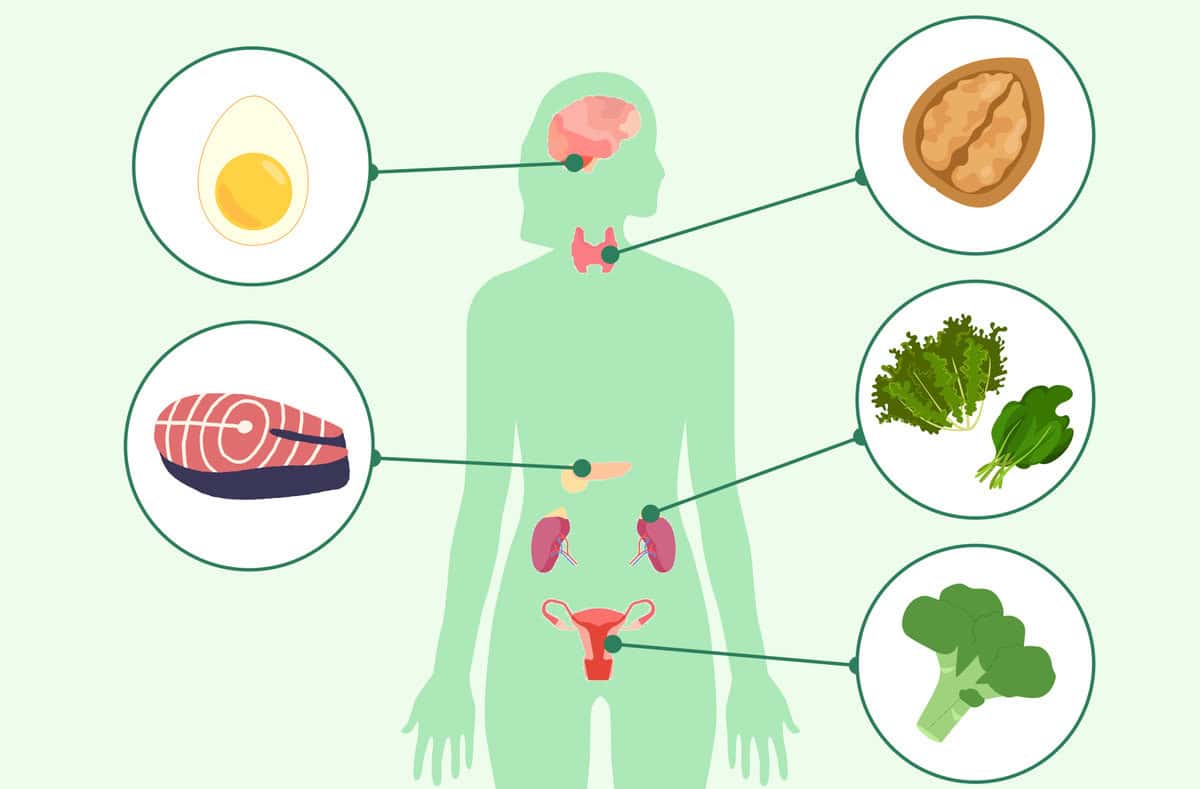
  • Consume protein-rich whole foods
  • Include healthy fats like seeds and nuts
  • Avoid sugar and refined carbohydrates
  • Drink adequate water daily

Exercise Routine

  • 30 minutes daily physical activity
  • Brisk walking, yoga or resistance training

Stress Management

  • Meditation or pranayama
  • Regular sleep cycle maintenance

When Natural Hormone Balance Is Not Enough

Despite lifestyle care, many women cannot fully balance hormones naturally because of underlying PCOS or thyroid conditions and need medical support.

Best Hormone Specialist in Panchkula & Chandigarh

For advanced evaluation and treatment, consult
Dr. Nitasha Gupta — trusted hormone imbalance specialist & IVF consultant serving women from Panchkula, Chandigarh, Mohali, Zirakpur and Dera Bassi.

Visit our Google Business Profile

Book Hormonal Health Consultation

Click here to book hormone consultation

FAQs – Balance Hormones Naturally

Can hormones really be balanced naturally?

Yes — mild hormonal imbalance can be corrected with proper diet, exercise and stress management.

How long does it take to balance hormones naturally?

Most patients observe improvement within 6–12 weeks of consistent lifestyle changes.

Which doctor treats hormone imbalance in Panchkula?

Dr. Nitasha Gupta is a leading hormone & fertility specialist in Panchkula.

Categories
Women’s Wellness

Laser Vaginal Tightening Cost in Dhakoli (2026) | LaBella

Laser Vaginal Tightening Cost in Dhakoli (2026)

Non-Surgical Treatment
FDA-Approved Laser
Gynecologist-Led Care
100% Confidential
Serving Zirakpur • Panchkula • Chandigarh

One of the most common questions women ask before opting for treatment is: What is the laser vaginal tightening cost in Dhakoli?

Laser vaginal tightening is a safe, non-surgical gynecological wellness treatment that improves vaginal tone, lubrication, and tissue health without stitches, pain, or downtime. It is widely chosen by women after childbirth, menopause or due to age-related changes.

Laser Vaginal Tightening Dhakoli – LaBella Cosgyn


Average Laser Vaginal Tightening Cost in Dhakoli

As of 2026, the typical laser vaginal tightening cost in Dhakoli ranges between:

₹8,000 – ₹15,000 per session

Most clients require 2–3 sessions for full therapeutic benefit. Final cost may vary depending on:

  • Number of sessions needed
  • Laser technology used (FDA-approved vs non-medical devices)
  • Doctor’s supervision and clinic standards
  • Any associated gynecological care or wellness add-ons

Why Cost Varies Between Clinics

Quality, safety, and professionalism significantly influence cost. Clinics offering suspiciously low prices often use substandard devices or spa-style setups without gynecologist oversight — which can compromise safety and results.

At LaBella Cosgyn, Dhakoli, we use certified medical-grade lasers under specialist supervision. Our pricing reflects equipment, doctor expertise, hygiene standards, and post-treatment support — ensuring safe, effective outcomes.


What’s Included in Treatment Cost?

  • Pre-treatment consultation & clinical evaluation
  • Laser session under certified gynecologist guidance
  • Private sterile treatment room
  • Post-treatment evaluation & follow-up guidance
  • Medical advice & follow-up care (if needed)

There are no hidden fees for injections, hospital admission, or mandatory extras.


Benefits vs Cost — Is It Worth It?

Many women at LaBella report increased vaginal tone, better lubrication, reduced mild urinary leakage, and improved intimate comfort — often within weeks after completing sessions.

Given the long-term improvement in quality of life, comfort, and confidence, most women find the treatment cost reasonable and justified.


Safety & Medical Standards

Laser vaginal tightening is medically considered safe when performed responsibly under certified gynecologists using approved lasers and following internationally recognized protocols.

LaBella adheres to standards set by:


Who Should Avoid Laser Vaginal Tightening?

  • Women currently pregnant
  • Active vaginal or pelvic infections
  • Recent pelvic surgery
  • Uncontrolled chronic medical conditions
  • Severe dermatological or dermatophyte conditions around genital area

Related Services & Links


Frequently Asked Questions

Is the procedure painful?

Most clients feel only mild warmth during treatment. No anesthesia or injections are required.

Is there downtime after treatment?

No downtime — you may resume daily activities immediately. Avoid intimate relations for 3–5 days as precaution.

Are results permanent?

Results generally last 12–24 months. Maintenance sessions once a year are advised for long-term benefits.

Does insurance cover this treatment?

No — as it’s considered elective cosmetic gynecology, most insurance plans do not cover the cost.


Book Your Confidential Consultation at LaBella

For expert laser vaginal tightening and intimate wellness care in Dhakoli under certified supervision:

Schedule Appointment


Categories
Women’s Wellness

Is Laser Vaginal Tightening Safe? Expert Guide (2026)

Is Laser Vaginal Tightening Safe?

Is Laser Vaginal Tightening Safe? 2026 Expert Guide
Laser vaginal tightening has become one of the most searched topics in cosmetic gynecology — largely because women want to improve comfort and intimate wellness without undergoing surgery.

But the most important question remains:
Is laser vaginal tightening actually safe?

Short Answer

Yes — when performed by a certified gynecologist using approved medical equipment and protocols, laser vaginal tightening is considered safe.

However, safety depends entirely on clinical expertise, patient screening, and ethical medical practice.
Non-medical “cosmetic spa lasers” without gynecologist supervision are not considered safe.

What Is Laser Vaginal Tightening?

Laser vaginal tightening is a non-surgical treatment that uses controlled thermal energy to stimulate collagen production within vaginal tissue.
This improves elasticity, hydration, muscle tone and blood circulation.

It is commonly chosen for women experiencing:

  • Post-childbirth vaginal looseness
  • Age-related tissue laxity
  • Vaginal dryness
  • Mild urinary leakage
  • Reduced intimate comfort

What Makes Laser Vaginal Tightening Safe?

Gynecologist Supervision

Only trained gynecologists understand vaginal anatomy, nerve safety and tissue sensitivity.

FDA-Approved Technology

Certified clinics use devices that regulate energy depth precisely to avoid burns or nerve injury.

Patient Screening

Medical evaluation excludes pregnancy, infection or uncontrolled medical disorders before treatment.

Clinical Dosing Protocol

Energy settings and treatment duration must be individualised — not standardized for every body.

Is the Treatment Painful?

No — most women experience only mild warmth during treatment.
No anesthesia is required.
No injections are used.
No surgical cuts involved.

Common Side Effects

  • Temporary warmth or mild swelling for a few hours
  • Watery discharge for 24 hours
  • Minimal sensitivity that resolves quickly

Serious complications are extremely rare when performed properly.

How Many Sessions Are Needed?

Most protocols recommend 2 to 3 sessions spaced 4–6 weeks apart, depending on tissue condition.

Who Should Avoid Laser Vaginal Tightening?

  • Pregnant women
  • Active vaginal infections
  • Untreated cervical disease
  • Recent pelvic surgery
  • Uncontrolled diabetes

Is This Treatment Effective?

Clinical evidence shows improvement in:

  • Vaginal tone and elasticity
  • Lubrication
  • Urinary leakage symptoms
  • Intimate comfort

Results continue improving over several weeks as collagen regenerates naturally.

Who Performs Safe Laser Treatments at LaBella?

All laser vaginal treatments at
LaBella – Gynaec Cosmetic Center in Dhakoli
are performed strictly under specialist supervision by

Dr. Nitasha Gupta
.

FAQs

Is laser vaginal tightening FDA approved?

Laser devices used are FDA-approved for medical use.
Clinical protocols follow international gynecology standards.

Is downtime required?

No — patients return to daily routines immediately.
Strenuous activity and intimacy are avoided for 3–5 days.

Is there any permanent damage risk?

When performed by certified doctors using approved technology, permanent injury is extremely rare.

Book Professional Consultation

For ethical laser vaginal rejuvenation under certified supervision at
LaBella – Dhakoli:


Schedule Appointment


Categories
Women’s Wellness

Obesity and Pregnancy: Weight Gain & Risks Guide (2026)

Obesity and Pregnancy: Understanding Weight Gain

Obesity and Pregnancy Weight Gain Guide

Pregnancy is a transformative experience, but for women living with obesity, it may come with added health considerations. Carrying excess body weight can increase potential risks for both mother and baby, including effects on blood pressure, metabolism, labour, and delivery outcomes.

Understanding how obesity impacts pregnancy helps expectant parents approach this journey safely, confidently, and with the guidance needed to protect both maternal and fetal wellbeing.

Understanding Obesity in Pregnancy

The World Health Organization (WHO) defines obesity as a body mass index (BMI) of 30 or above. BMI is calculated using height and weight and applies to pregnant individuals the same way as it does to the general population.

BMI Weight Categories

  • Below 18.5: Underweight
  • 18.5 – 24.9: Healthy weight
  • 25 – 29.9: Overweight
  • 30 or higher: Obesity

Obesity during pregnancy increases the risk of conditions such as gestational diabetes, pregnancy-related blood pressure disorders, preeclampsia, and fertility challenges prior to conception.

Globally, approximately 6–7% of pregnancies occur in women with obesity. Medical monitoring and healthy weight management help lower risks and support positive outcomes.

How Does Being Overweight Affect Pregnancy?

Maternal Risks

  • Gestational diabetes
  • Preeclampsia and high blood pressure
  • Increased miscarriage risk
  • Venous blood clots
  • Breathing difficulties
  • Obstructive sleep apnea

Fetal and Neonatal Risks

  • Stillbirth or miscarriage
  • Neural tube defects and congenital heart conditions
  • High birth weight (macrosomia)
  • Growth restriction
  • Childhood asthma & obesity
  • Learning and developmental delays

Labour and Delivery Risks

Longer Labour

Excess adipose tissue can slow labour progress and limit effective monitoring of contractions.

Difficult Induction

Medical inductions are more common and may take longer or lead to operative delivery.

Challenges with Anaesthesia

Epidural placement is often technically more complex due to tissue depth.

Higher Caesarean Section Risk

Emergency C-sections and assisted vaginal deliveries occur more frequently.

Bleeding & Healing Problems

Postpartum hemorrhage and delayed wound healing are higher risks.

Managing Healthy Weight During Pregnancy

  • Pre-conception medical consultation when BMI ≥30
  • Balanced diet with fruits, vegetables, lean protein & whole grains
  • Safe physical activity (walking, swimming, prenatal yoga)
  • Avoid smoking, alcohol, and unverified supplements
  • Maintain scheduled prenatal checkups
  • Mental health care to support healthy daily habits

Guidance from experienced providers like Dr. Nitasha Gupta ensures weight management practices are both safe and individualized.

Frequently Asked Questions

Can overweight women get pregnant?

Yes, many do conceive naturally. However, conception may take longer and requires careful prenatal monitoring.

Is it unsafe to be obese while pregnant?

Obesity does increase pregnancy risks, but appropriate medical care helps many women safely deliver healthy babies.

Should I lose weight during pregnancy?

Active weight loss is discouraged during pregnancy. Instead, aim to manage steady, healthy gain as guided by your doctor.

How much weight should obese women gain?

For singleton pregnancies, recommended weight gain is approximately 5–9 kg. For twins, about 11–19 kg.

How much weight is lost after birth?

Initial loss of 5–6 kg occurs naturally after delivery. Further weight loss happens gradually postpartum.

What BMI is considered concerning?

A BMI over 30 raises risk but does not prevent pregnancy. Medical consultation helps prepare safely.

Professional Support

Learn more about pregnancy wellness care through Dr Nitasha Gupta’s team:


IVF & Women’s Health Centre – Dhakoli

WHO guidelines on maternal obesity:

World Health Organization

ACOG pregnancy health standards:

ACOG Guidelines

Need Pregnancy Guidance?

For private prenatal or fertility consultation under expert gynecological care, contact:


Book Consultation


Categories
Women’s Wellness

Menstrual Hygiene: Zero Waste Period Guide (2026) | LaBella

Menstrual Hygiene: Your Guide to Sustainable, Zero-Waste Periods

Menstrual Hygiene Sustainable Zero Waste Periods

Menstrual hygiene remains a significant women’s health topic across India. Although awareness has grown, many women and adolescent girls still lack access to safe information and sustainable menstrual care choices.

This guide explores how adopting zero-waste period practices can improve personal wellbeing while significantly reducing environmental impact — empowering women to approach menstruation with comfort, dignity, and confidence.

What Is Menstrual Health & Hygiene?

Menstrual hygiene concerns all practices that promote cleanliness and infection prevention during menstruation. This includes washing the genital area safely, changing products frequently, managing waste properly, and selecting suitable menstrual products.

Menstrual health also reflects emotional and social wellbeing — comfort, confidence, freedom of movement, and the ability to lead daily life without limitation.

Health Effects of Poor Menstrual Hygiene

Physical impacts include:

  • Skin rashes and irritation from prolonged use of damp materials.
  • Urinary tract infections (UTIs) causing pain and frequent urination.
  • Reproductive tract infections that may progress to pelvic inflammatory disease.
  • Rare but serious toxic shock syndrome when products remain unchanged too long.
  • Long-term cervical health risks.

Mental and emotional impacts include:

  • Shame, anxiety, and lowered self-confidence.
  • Social withdrawal from school, work, or public activities.
  • Increased emotional stress due to stigma.

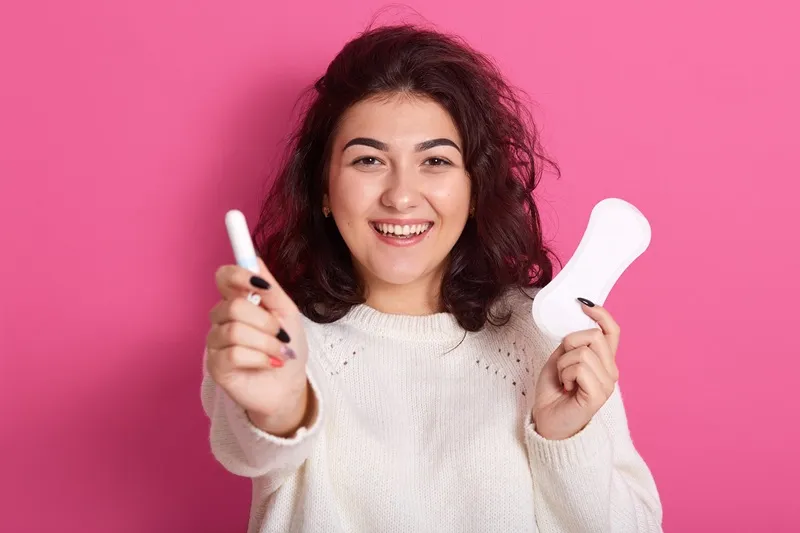
Types of Menstrual Hygiene Products

Disposable Sanitary Pads

Convenient but responsible for the majority of menstrual plastic waste. Must be changed every 4–6 hours.

Tampons

Absorb internally. Require frequent changing (4–6 hours) to prevent TSS and environmental waste buildup.

Reusable Cloth Pads

Washable pads that may be reused up to 60 times when cleaned properly.

Menstrual Cups

Medical-grade silicone cups that last up to 10 years, collect more flow than pads, and generate minimal waste.

Period Panties

Reusable absorbent underwear suited for light-to-moderate flow days.

The Importance of Menstrual Hygiene

  • Prevents infections and skin problems
  • Supports emotional confidence
  • Enables school, career, and social participation
  • Protects reproductive health
  • Promotes bodily autonomy awareness

Causes of Poor Menstrual Hygiene in India

  • Limited access to affordable products
  • Lack of private sanitation facilities
  • Inadequate menstrual education
  • Stigma preventing open discussion
  • Financial dependence

Menstrual Hygiene Management (MHM)

MHM combines education, product access, and sanitary infrastructure to ensure menstruation is managed safely and with dignity.

  • Change products every 4–6 hours
  • Wash hands before & after each change
  • Dry reusable items in sunlight
  • Dispose non-biodegradable waste responsibly
  • Encourage menstrual awareness discussions
  • Seek medical advice for abnormal symptoms

Benefits of Sustainable Period Care

  • Reduced plastic waste and pollution
  • Long-term financial savings
  • Lower exposure to synthetic chemicals
  • Greater independence and preparedness
  • Eco-responsible consumption habits

Tips for Adopting Zero-Waste Periods

  • Transition gradually — trial cups or cloth pads first.
  • Track personal comfort & hygiene consistently.
  • Use breathable pouches for storing products.
  • Wash reusable items with fragrance-free soap.
  • Air-dry items in sunlight whenever possible.
  • Prepare kits for school or work needs.
  • Follow correct local disposal policies.

Sustainable Menstrual Product Options

  • Menstrual Cups: Last up to 10 years.
  • Cloth Pads: Washable for 2–4 years.
  • Period Panties: Ideal for light-flow days.

Frequently Asked Questions

Are menstrual cups safe?

Yes — when used correctly and sanitized as per guidelines, cups are safe and medically approved for most users.

Can teenagers use menstrual cups?

Yes, with medical guidance and personal comfort assessment.

Are reusable pads hygienic?

They remain safe when washed thoroughly and dried completely before reuse.

What is the cleanest period option?

Menstrual cups are widely considered the cleanest and most sustainable option when maintained properly.

Trusted Guidance

At Dr. Nitasha Gupta’s clinic, we support women’s wellness education alongside medical care.

Find fertility and women’s wellness services at our IVF Centre in Dhakoli.

International menstrual guidance references:

World Health Organization

UNFPA – Menstrual Health

Need Personal Guidance?

For menstrual health consultations or women’s wellness support under
Dr. Nitasha Gupta, contact:


Book Your Confidential Appointment


Categories
Women’s Wellness

6 Signs Your Daughter Is About to Start Her Period (2026)

6 Signs Your Daughter Is About to Start Her Period

Signs Your Daughter Is About to Start Her Period

Puberty is a time of major physical and emotional change for young girls. One of the most significant milestones is menarche—the first menstrual period. It marks the beginning of reproductive maturity and is an important stage of natural development.

Understanding early signs can help parents provide emotional reassurance and practical preparation so that menstruation is not viewed with fear or confusion.


What Is Menarche?

Menarche is the medical term for a girl’s first menstrual cycle. It signals the activation of the hormonal system that regulates ovulation and uterine lining changes.

Each month, the uterus builds a lining to support potential pregnancy. If fertilisation does not occur, this lining sheds as menstrual bleeding.

At What Age Do Periods Usually Start?

In India, most girls experience their first period between 9 and 15 years of age. The average age is between 12 and 13 years, influenced by genetics, nutrition, body development, and environmental factors.

6 Signs Your Daughter Is About to Start Her Period

1. Breast Development (Thelarche)

Breast budding is typically the first noticeable sign of puberty and indicates hormonal maturity has begun.

2. Growth of Pubic & Underarm Hair

Hair growth usually begins one to two years before the first menstrual cycle.

3. Mood Swings

Hormonal changes may cause emotional sensitivity, irritability, or anxiety. These mood changes are a normal puberty response.

4. Increased Vaginal Discharge

Clear or whitish discharge often becomes noticeable months before menstruation and is a normal sign of hormonal changes.

5. Bloating or Mild Cramps

Some girls experience back pain, bloating, or abdominal cramps as the reproductive organs prepare for cycle activation.

6. Growth Spurts

Rapid height and body changes frequently occur shortly before menarche.

How to Prepare Your Child for Her First Period

Have open conversations

Early, calm discussions help your daughter understand periods as a healthy natural process rather than something to fear.

Provide practical guidance

Discuss menstrual products and hygiene habits. Prepare a small period kit she can carry confidently.

Validate emotions

Reassure her that mood changes or anxiety are normal and that support is always available.

Encourage healthy habits

Teach pad changes, cleanliness, breathable clothing, and safe disposal methods to prevent infection.

When Should You Consult a Doctor?

Medical advice may be needed if:

  • Periods start much earlier or much later than peers.
  • Bleeding is excessive or painful.
  • Menstrual cycles appear very irregular.
  • Other concerns exist such as excessive hair growth, severe acne, or emotional distress.

Conclusion

Menarche is a healthy milestone in adolescent development. Knowing the warning signs allows parents to provide confidence and reassurance at the right time. With education and emotional support, a girl’s first period can become a positive step toward womanhood rather than a frightening experience.

Professional Guidance

For trusted assistance regarding puberty growth or women’s wellness under the guidance of Dr. Nitasha Gupta, book a confidential consultation.

Book Online Appointment


Latest Blog

Know more about fertility and other fertility problems. We have the solution

FAQ Section

Read all the FAQ's and other general questions if you have.

Emergency Case

If you have an emergency call us or drop us an email, We will get back to you asap.

All Rights Reserved - Dr. Nitasha Gupta © 2025