Categories
PCOS & Hormonal Disorders

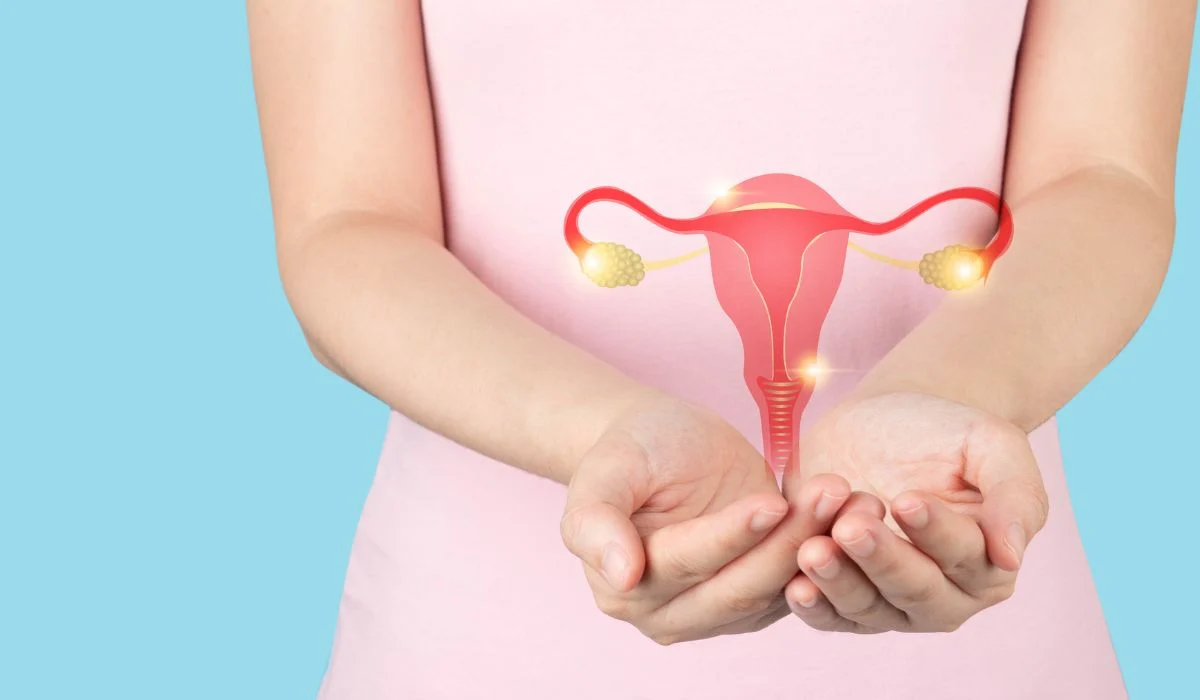
PCOS vs Hormonal Imbalance

PCOS vs Hormonal Imbalance: What’s the Difference in 2026?

Many women search online for PCOS vs hormonal imbalance, assuming both conditions are the same. While they are related, they are medically different and require different treatment approaches.

Dr. Nitasha Gupta, Consultant Gynecologist & IVF Specialist at Kore Fertility Solutions, explains the difference clearly to help women make informed health decisions.

What Is Hormonal Imbalance?

Hormonal imbalance occurs when hormones such as estrogen, progesterone, insulin, thyroid hormones, or cortisol are out of balance.

Common causes include:

  • Chronic stress
  • Poor sleep
  • Weight changes
  • Thyroid disorders
  • Lifestyle factors

What Is PCOS?

Polycystic Ovary Syndrome (PCOS) is a long-term hormonal condition affecting ovarian function and metabolism.

  • Irregular or absent periods
  • High androgen levels
  • Multiple ovarian follicles
  • Insulin resistance

PCOS is one of the most common causes of infertility worldwide.

PCOS vs Hormonal Imbalance: Key Differences

Feature Hormonal Imbalance PCOS
Nature Temporary or chronic Lifelong condition
Ovaries Usually normal Polycystic appearance
Fertility Impact May affect ovulation Commonly affects fertility
Treatment Lifestyle + medication Long-term management

Symptoms That Overlap

  • Irregular periods
  • Acne and hair fall
  • Weight gain
  • Mood changes

This overlap makes professional diagnosis essential.

Impact on Fertility

Both conditions can affect fertility, but PCOS often requires structured fertility treatment such as ovulation induction, IUI, or IVF.

At Kore Fertility Centre, treatment plans are personalised based on medical evaluation.

Expert Insight

“PCOS is not just a period problem — it is a metabolic condition. Early diagnosis significantly improves outcomes.”
Dr. Nitasha Gupta

Frequently Asked Questions (FAQs)

Is PCOS the same as hormonal imbalance?

No. PCOS is a specific hormonal disorder, while hormonal imbalance can be temporary.

Can hormonal imbalance be reversed?

Yes, many hormonal imbalances improve with lifestyle changes and medical care.

Does PCOS always cause infertility?

No. Many women with PCOS conceive naturally or with fertility treatment.

Categories
Women’s Wellness

PERIOD & TEEN HEALTH

Teen Period Health Guide (2026): What’s Normal, What’s Not?

Periods are an important milestone in a girl’s life, yet teen period health remains one of the most misunderstood topics even in 2026. Parents and teenagers often worry about irregular cycles, pain, mood changes, and long gaps between periods.

As a Consultant Gynecologist & IVF Specialist, Dr. Nitasha Gupta helps families understand what is normal during teenage years, what needs medical attention, and how early care protects long-term fertility and hormonal health.

When Do Periods Usually Start in Teenagers?

Most girls get their first period (menarche) between the ages of 9 and 15 years. In the first 1–2 years, cycles can be irregular due to an immature hormonal axis.

Occasional missed periods or cycle variation is common in early teen period health and usually settles with time.

What Is Considered Normal in Teen Periods?

  • Cycle length between 21–45 days
  • Bleeding for 3–7 days
  • Mild to moderate cramps
  • Slight mood changes
  • Occasional irregularity in the first 2 years

What Is NOT Normal? Red Flags Parents Should Know

  • Periods absent for more than 3 months
  • Very heavy bleeding (changing pad every hour)
  • Severe pain affecting school or daily life
  • Periods lasting more than 7–8 days
  • Excess acne or facial hair
  • Rapid weight gain or obesity

These signs may indicate hormonal imbalance in teenagers or early PCOS and should not be ignored.

Common Teen Period Problems Seen in 2026

Gynecologists are seeing a rise in teen menstrual problems due to lifestyle changes. Common concerns include:

  • Irregular periods in teenagers
  • Hormonal imbalance due to stress and poor sleep
  • Early PCOS symptoms
  • Low iron levels (anaemia)
  • Severe menstrual cramps

When Should a Teen See a Gynecologist?

A consultation with a gynecologist for teens is advised if:

  • Periods have not started by age 15
  • Severe cramps persist for months
  • Periods remain irregular beyond 2 years
  • There are signs of PCOS or hormonal imbalance

At Kore Fertility Solutions, teens receive confidential, counselling-first care in a comfortable environment.

How Parents Can Support Teen Period Health

  • Encourage open conversations
  • Promote balanced nutrition and iron-rich foods
  • Ensure adequate sleep and stress management
  • Seek early medical advice when needed

Early care prevents long-term hormonal and fertility problems.

Expert Note

“Most teen period issues are manageable when addressed early. Ignoring symptoms can affect future reproductive health.”
Dr. Nitasha Gupta

Frequently Asked Questions (FAQs)

Are irregular periods normal in teenagers?

Yes, irregular periods are common in the first 1–2 years after menarche. Persistent irregularity needs evaluation.

Can teenagers develop PCOS?

Yes, early signs of PCOS can appear during teenage years and should be evaluated early.

When should parents worry about periods?

If periods are absent, extremely painful, or very heavy, medical consultation is advised.

Categories
PCOS & Hormonal Disorders Women’s Wellness

Why More Women in Their 20s & 30s Are Facing Hormonal Imbalance in 2026

Hormonal imbalance symptoms in women in their 20s and 30s explained by Dr Nitasha Gupta fertility specialist

Why More Women in Their 20s & 30s Are Facing Hormonal Imbalance in 2026

Hormonal imbalance in women has emerged as one of the fastest-growing health concerns in 2026, particularly among women in their 20s and early 30s. Increasingly, women across Zirakpur, Panchkula, Chandigarh, Mohali, Dera Bassi and other parts of India are reporting irregular periods, PCOS symptoms, unexplained weight gain, acne, hair fall, mood changes, and fertility concerns.

According to clinical observations, hormonal imbalance in women is no longer age-restricted. Lifestyle stress, disrupted sleep, insulin resistance, thyroid disorders, and delayed pregnancy planning are now triggering hormonal disturbances much earlier.

In this 2026 expert guide, Dr. Nitasha Gupta, Consultant Gynecologist & IVF Specialist at Kore Fertility Solutions, explains why hormonal imbalance in women is increasing, how it affects fertility, and when medical evaluation becomes essential.

What Is Hormonal Imbalance in Women?

Hormonal imbalance occurs when key reproductive and metabolic hormones such as estrogen, progesterone, insulin, thyroid hormones, and androgens are either produced in excess or deficiency. Even mild imbalance can disrupt the menstrual cycle, ovulation, metabolism, mood, and long-term fertility.

Untreated hormonal imbalance in women can gradually progress into PCOS, infertility, thyroid disorders, diabetes, and pregnancy complications.

Why Hormonal Imbalance Is Rising in Women in Their 20s & 30s

1. Chronic Stress & Cortisol Overload

High stress levels elevate cortisol, which directly interferes with ovulation and progesterone balance, making hormonal imbalance in women increasingly common.

2. PCOS and Insulin Resistance

PCOS is now being diagnosed in women as young as 18–22 years. Insulin resistance strongly contributes to hormonal imbalance, irregular periods, and infertility.

3. Irregular Sleep & Screen Exposure

Poor sleep disrupts melatonin and insulin regulation, worsening hormonal imbalance and menstrual irregularities.

4. Crash Dieting & Nutrient Deficiency

Extreme dieting affects estrogen production and delays ovulation, increasing hormonal imbalance in women.

5. Delayed Pregnancy Planning

While lifestyle timelines have changed, biology has not. Hormonal imbalance becomes more apparent when conception is delayed.

Early Symptoms of Hormonal Imbalance Women Often Ignore

  • Irregular or missed periods
  • Sudden weight gain or difficulty losing weight
  • Adult acne or oily skin
  • Hair fall or facial hair growth
  • Mood swings, anxiety, fatigue
  • Difficulty conceiving

How Hormonal Imbalance Affects Fertility

Hormones control ovulation. When hormonal imbalance persists, ovulation may become irregular or stop completely. This leads to delayed conception and reduced success rates in both natural pregnancy and assisted treatments like IVF.

At Kore Fertility Solutions, early correction of hormonal imbalance has shown significantly improved fertility outcomes.

When Should You Consult a Gynecologist?

You should consult a fertility specialist like Dr. Nitasha Gupta if:

  • Periods remain irregular for more than 3 months
  • You are planning pregnancy with unpredictable cycles
  • PCOS or thyroid symptoms appear early
  • You experience persistent fatigue, mood changes, or weight gain

Trusted Hormonal & Fertility Care in Tricity

Dr. Nitasha Gupta provides ethical, evidence-based hormonal and fertility care for women across Zirakpur, Dhakoli, Panchkula, Chandigarh, Mohali, and Dera Bassi. Her clinical approach focuses on accurate diagnosis, personalised treatment, and long-term reproductive health.

Book a consultation: Schedule an appointment with Dr. Nitasha Gupta

Frequently Asked Questions

Can stress alone cause hormonal imbalance?

Yes. Chronic stress can suppress ovulation and significantly disrupt hormonal balance.

Is hormonal imbalance reversible?

In most cases, hormonal imbalance in women is reversible with early diagnosis and proper medical care.

Does hormonal imbalance always mean PCOS?

No. Thyroid disorders, lifestyle factors, and stress can also cause hormonal imbalance.

When should fertility evaluation begin?

If conception does not occur within 6–12 months or periods are irregular, fertility evaluation is recommended.

For global medical references, see:
World Health Organization (WHO) |
American College of Obstetricians & Gynecologists

Latest Blog

Know more about fertility and other fertility problems. We have the solution

FAQ Section

Read all the FAQ's and other general questions if you have.

Emergency Case

If you have an emergency call us or drop us an email, We will get back to you asap.

All Rights Reserved - Dr. Nitasha Gupta © 2025