PCOS vs Hormonal Imbalance: What’s the Difference in 2026?
Many women search online for PCOS vs hormonal imbalance, assuming both conditions are the same. While they are related, they are medically different and require different treatment approaches.
Dr. Nitasha Gupta, Consultant Gynecologist & IVF Specialist at Kore Fertility Solutions, explains the difference clearly to help women make informed health decisions.
What Is Hormonal Imbalance?
Hormonal imbalance occurs when hormones such as estrogen, progesterone, insulin, thyroid hormones, or cortisol are out of balance.
Common causes include:
Chronic stress
Poor sleep
Weight changes
Thyroid disorders
Lifestyle factors
What Is PCOS?
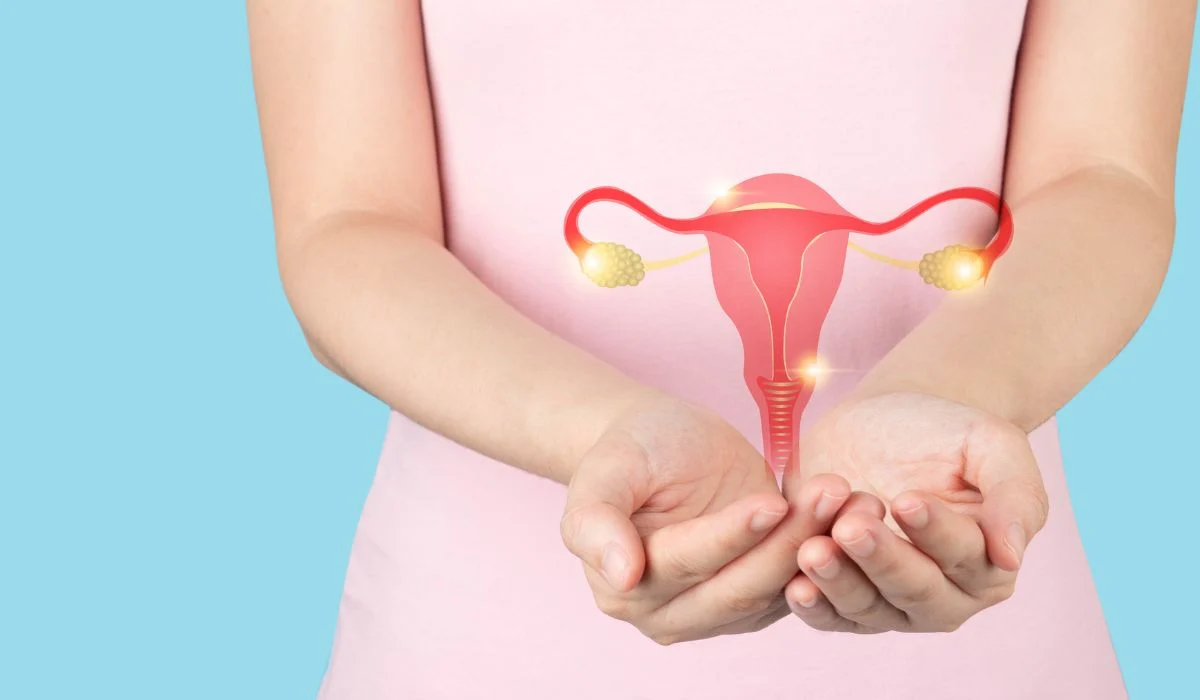
Polycystic Ovary Syndrome (PCOS) is a long-term hormonal condition affecting ovarian function and metabolism.
Irregular or absent periods
High androgen levels
Multiple ovarian follicles
Insulin resistance
PCOS is one of the most common causes of infertility worldwide.
PCOS vs Hormonal Imbalance: Key Differences
Feature
Hormonal Imbalance
PCOS
Nature
Temporary or chronic
Lifelong condition
Ovaries
Usually normal
Polycystic appearance
Fertility Impact
May affect ovulation
Commonly affects fertility
Treatment
Lifestyle + medication
Long-term management
Symptoms That Overlap
Irregular periods
Acne and hair fall
Weight gain
Mood changes
This overlap makes professional diagnosis essential.
Impact on Fertility
Both conditions can affect fertility, but PCOS often requires structured fertility treatment such as ovulation induction, IUI, or IVF.
At Kore Fertility Centre, treatment plans are personalised based on medical evaluation.
Expert Insight
“PCOS is not just a period problem — it is a metabolic condition. Early diagnosis significantly improves outcomes.”
— Dr. Nitasha Gupta
Frequently Asked Questions (FAQs)
Is PCOS the same as hormonal imbalance?
No. PCOS is a specific hormonal disorder, while hormonal imbalance can be temporary.
Can hormonal imbalance be reversed?
Yes, many hormonal imbalances improve with lifestyle changes and medical care.
Does PCOS always cause infertility?
No. Many women with PCOS conceive naturally or with fertility treatment.
Teen Period Health Guide (2026): What’s Normal, What’s Not?
Periods are an important milestone in a girl’s life, yet teen period health remains one of the most misunderstood topics even in 2026. Parents and teenagers often worry about irregular cycles, pain, mood changes, and long gaps between periods.
As a Consultant Gynecologist & IVF Specialist, Dr. Nitasha Gupta helps families understand what is normal during teenage years, what needs medical attention, and how early care protects long-term fertility and hormonal health.
When Do Periods Usually Start in Teenagers?
Most girls get their first period (menarche) between the ages of 9 and 15 years. In the first 1–2 years, cycles can be irregular due to an immature hormonal axis.
Occasional missed periods or cycle variation is common in early teen period health and usually settles with time.
What Is Considered Normal in Teen Periods?
Cycle length between 21–45 days
Bleeding for 3–7 days
Mild to moderate cramps
Slight mood changes
Occasional irregularity in the first 2 years
What Is NOT Normal? Red Flags Parents Should Know
Periods absent for more than 3 months
Very heavy bleeding (changing pad every hour)
Severe pain affecting school or daily life
Periods lasting more than 7–8 days
Excess acne or facial hair
Rapid weight gain or obesity
These signs may indicate hormonal imbalance in teenagers or early PCOS and should not be ignored.
Common Teen Period Problems Seen in 2026
Gynecologists are seeing a rise in teen menstrual problems due to lifestyle changes. Common concerns include:
Irregular periods in teenagers
Hormonal imbalance due to stress and poor sleep
Early PCOS symptoms
Low iron levels (anaemia)
Severe menstrual cramps
When Should a Teen See a Gynecologist?
A consultation with a gynecologist for teens is advised if:
Periods have not started by age 15
Severe cramps persist for months
Periods remain irregular beyond 2 years
There are signs of PCOS or hormonal imbalance
At Kore Fertility Solutions, teens receive confidential, counselling-first care in a comfortable environment.
How Parents Can Support Teen Period Health
Encourage open conversations
Promote balanced nutrition and iron-rich foods
Ensure adequate sleep and stress management
Seek early medical advice when needed
Early care prevents long-term hormonal and fertility problems.
Expert Note
“Most teen period issues are manageable when addressed early. Ignoring symptoms can affect future reproductive health.”
— Dr. Nitasha Gupta
Frequently Asked Questions (FAQs)
Are irregular periods normal in teenagers?
Yes, irregular periods are common in the first 1–2 years after menarche. Persistent irregularity needs evaluation.
Can teenagers develop PCOS?
Yes, early signs of PCOS can appear during teenage years and should be evaluated early.
When should parents worry about periods?
If periods are absent, extremely painful, or very heavy, medical consultation is advised.
Natural ways to balance hormones and improve women’s health.
How to Balance Hormones Naturally: Effective Ways to Fix Hormonal Imbalance
Hormones control mood, metabolism, sleep, energy, weight, fertility, and overall well-being. When these hormones shift out of balance, symptoms like acne, irregular periods, fatigue, mood swings, low libido, weight gain, and anxiety often show up.
The good news? Many women can naturally rebalance their hormones through targeted lifestyle changes.
A healthy diet regulates insulin, estrogen, thyroid function, and stress hormones. Research from Harvard Health shows that whole foods reduce inflammation and stabilize hormones effectively.
Eat fruits, vegetables, nuts, seeds, legumes, and whole grains.
Include omega-3 rich foods like fish, flaxseed, or chia.
Avoid refined carbs, sugary snacks, and packaged foods.
Women with PCOS or irregular cycles benefit from low-GI foods.
For a personalized diet plan, book a consultation with the best gynecologist in Panchkula.
2. Stay Properly Hydrated
Water supports hormonal transportation, metabolism, digestion, and detoxification.
Dehydration increases cortisol levels, according to studies published in the National Library of Medicine (NCBI).
3. Manage Stress Effectively
Chronic stress elevates cortisol and disrupts reproductive, thyroid, and insulin hormones.
Evidence from Mayo Clinic confirms stress as a major hormonal disruptor.
Poor sleep disrupts melatonin, cortisol, insulin, and estrogen levels.
Harvard Medical School research shows that consistent sleep restores hormonal rhythm.
Maintain a fixed sleep schedule.
Avoid screens 60 minutes before bed.
Keep your room cool, dark, and quiet.
5. Exercise Regularly (But Not Excessively)
Movement increases insulin sensitivity, reduces cortisol, and boosts endorphins.
Cleveland Clinic recommends combining:
Aerobic exercises (walk, jog, swim)
Strength training (2–3 times weekly)
Yoga or pilates for stress relief
6. Consider Natural Herbal Supplements
Some herbs help regulate hormones, but they must be used correctly.
Evidence supports:
Vitex (Chasteberry): Supports progesterone.
Maca Root: Balances stress hormones.
Evening Primrose Oil: Helps PMS & skin issues.
Always check with a specialist before taking supplements — especially if you have PCOS, thyroid issues, or are planning pregnancy.
You may consult Dr. Nitasha Gupta – Hormonal Health Specialist.
Conclusion
Balancing hormones naturally requires a holistic approach: nourishing food, quality sleep, exercise, hydration, and stress control. These lifestyle practices support better mood, regular periods, improved fertility, and enhanced overall health.