





Why More Women in Their 20s & 30s Are Facing Hormonal Imbalance in 2026
Hormonal imbalance in women has emerged as one of the fastest-growing health concerns in 2026, particularly among women in their 20s and early 30s. Increasingly, women across Zirakpur, Panchkula, Chandigarh, Mohali, Dera Bassi and other parts of India are reporting irregular periods, PCOS symptoms, unexplained weight gain, acne, hair fall, mood changes, and fertility concerns.
According to clinical observations, hormonal imbalance in women is no longer age-restricted. Lifestyle stress, disrupted sleep, insulin resistance, thyroid disorders, and delayed pregnancy planning are now triggering hormonal disturbances much earlier.
In this 2026 expert guide, Dr. Nitasha Gupta, Consultant Gynecologist & IVF Specialist at Kore Fertility Solutions, explains why hormonal imbalance in women is increasing, how it affects fertility, and when medical evaluation becomes essential.
What Is Hormonal Imbalance in Women?
Hormonal imbalance occurs when key reproductive and metabolic hormones such as estrogen, progesterone, insulin, thyroid hormones, and androgens are either produced in excess or deficiency. Even mild imbalance can disrupt the menstrual cycle, ovulation, metabolism, mood, and long-term fertility.
Untreated hormonal imbalance in women can gradually progress into PCOS, infertility, thyroid disorders, diabetes, and pregnancy complications.
Why Hormonal Imbalance Is Rising in Women in Their 20s & 30s
1. Chronic Stress & Cortisol Overload
High stress levels elevate cortisol, which directly interferes with ovulation and progesterone balance, making hormonal imbalance in women increasingly common.
2. PCOS and Insulin Resistance
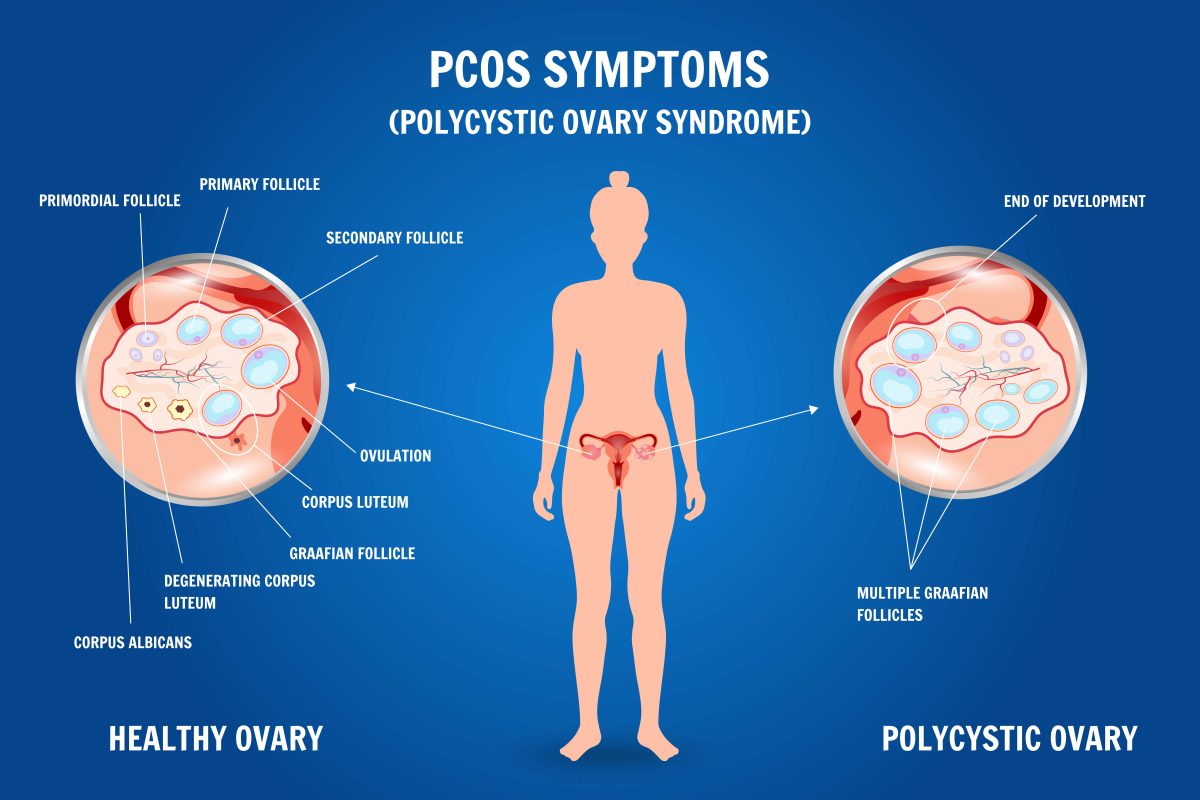
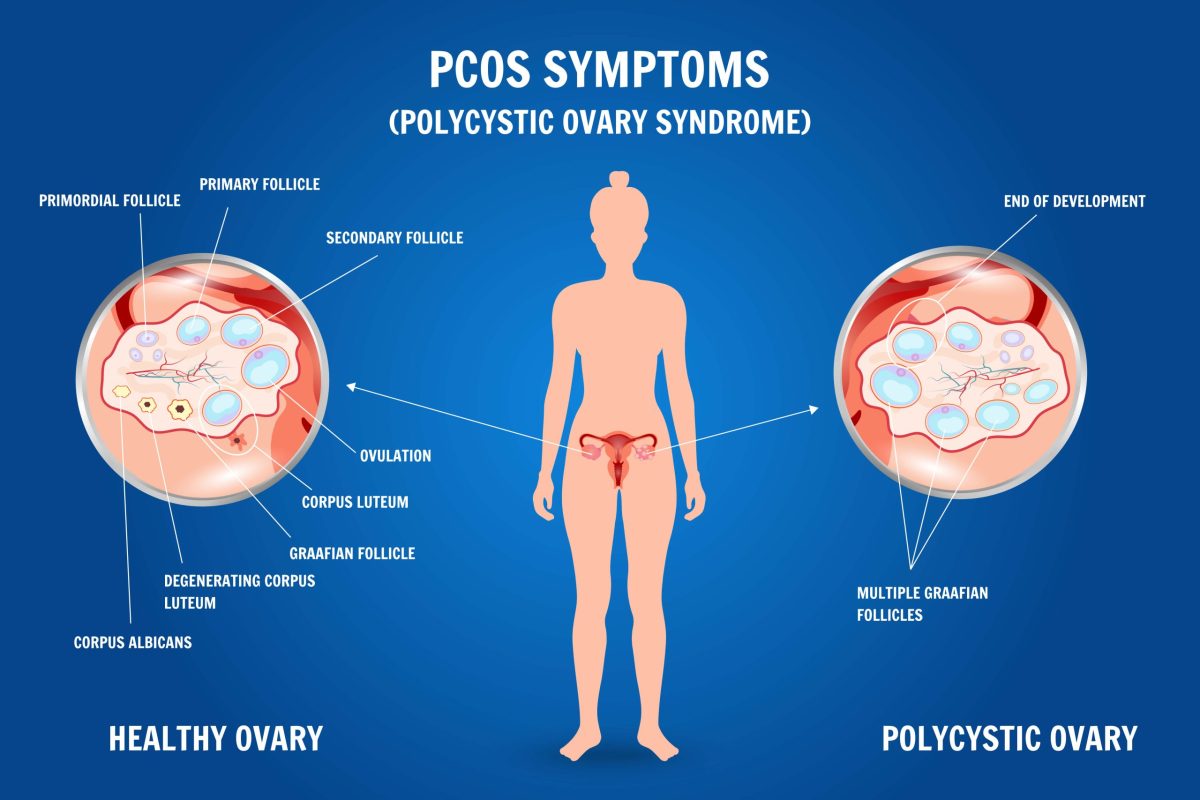
PCOS is now being diagnosed in women as young as 18–22 years. Insulin resistance strongly contributes to hormonal imbalance, irregular periods, and infertility.
3. Irregular Sleep & Screen Exposure
Poor sleep disrupts melatonin and insulin regulation, worsening hormonal imbalance and menstrual irregularities.
4. Crash Dieting & Nutrient Deficiency
Extreme dieting affects estrogen production and delays ovulation, increasing hormonal imbalance in women.
5. Delayed Pregnancy Planning
While lifestyle timelines have changed, biology has not. Hormonal imbalance becomes more apparent when conception is delayed.
Early Symptoms of Hormonal Imbalance Women Often Ignore
- Irregular or missed periods
- Sudden weight gain or difficulty losing weight
- Adult acne or oily skin
- Hair fall or facial hair growth
- Mood swings, anxiety, fatigue
- Difficulty conceiving
How Hormonal Imbalance Affects Fertility
Hormones control ovulation. When hormonal imbalance persists, ovulation may become irregular or stop completely. This leads to delayed conception and reduced success rates in both natural pregnancy and assisted treatments like IVF.
At Kore Fertility Solutions, early correction of hormonal imbalance has shown significantly improved fertility outcomes.
When Should You Consult a Gynecologist?
You should consult a fertility specialist like Dr. Nitasha Gupta if:
- Periods remain irregular for more than 3 months
- You are planning pregnancy with unpredictable cycles
- PCOS or thyroid symptoms appear early
- You experience persistent fatigue, mood changes, or weight gain
Trusted Hormonal & Fertility Care in Tricity
Dr. Nitasha Gupta provides ethical, evidence-based hormonal and fertility care for women across Zirakpur, Dhakoli, Panchkula, Chandigarh, Mohali, and Dera Bassi. Her clinical approach focuses on accurate diagnosis, personalised treatment, and long-term reproductive health.
Book a consultation: Schedule an appointment with Dr. Nitasha Gupta
Frequently Asked Questions
Can stress alone cause hormonal imbalance?
Yes. Chronic stress can suppress ovulation and significantly disrupt hormonal balance.
Is hormonal imbalance reversible?
In most cases, hormonal imbalance in women is reversible with early diagnosis and proper medical care.
Does hormonal imbalance always mean PCOS?
No. Thyroid disorders, lifestyle factors, and stress can also cause hormonal imbalance.
When should fertility evaluation begin?
If conception does not occur within 6–12 months or periods are irregular, fertility evaluation is recommended.
For global medical references, see:
World Health Organization (WHO) |
American College of Obstetricians & Gynecologists