




Categories
Women’s Wellness

How to Choose the Best Lady Gynecologist in Panchkula (2026) | Dr. Nitasha Gupta

How to Choose a Good Lady Gynecologist in Panchkula? (2026 Expert Guide)


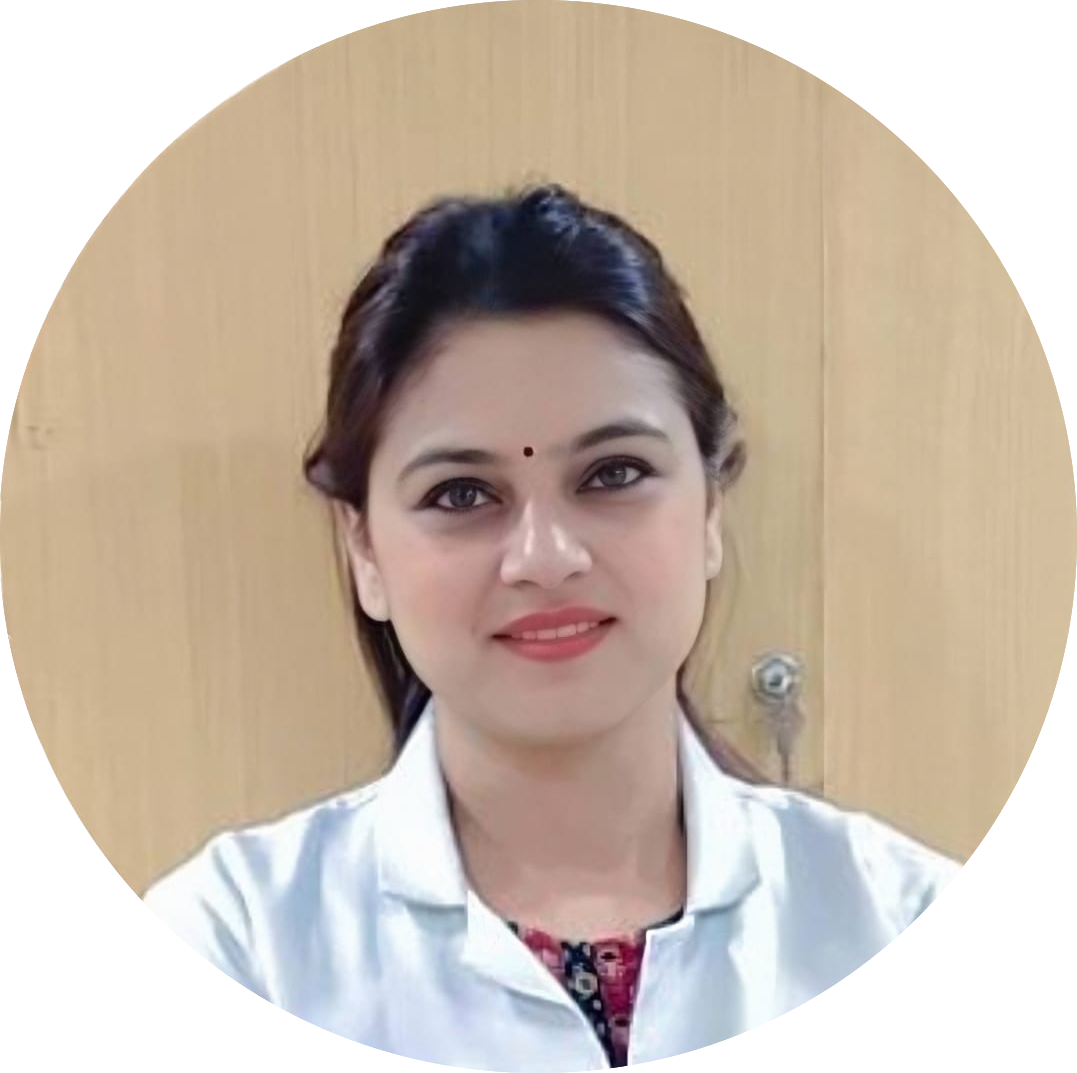
Clinically reviewed by Dr. Nitasha Gupta – Gynecologist & IVF Specialist, Kore Fertility Solutions

Choosing the right lady gynecologist is one of the most important healthcare decisions a woman makes. Whether it’s your first period, pregnancy planning, PCOS, infertility, menopause, or preventive screening, the right gynecologist becomes a lifelong health partner.

For women searching for the best lady gynecologist in Panchkula, Zirakpur, Dhakoli, Chandigarh, Mohali, or Dera Bassi, this 2026 expert guide will help you make a confident, informed decision.


Why Choosing the Right Gynecologist Matters

A trusted gynecologist is not just a doctor — she is someone you rely on for physical comfort, emotional safety, and long-term reproductive health.

The best gynecologist in Panchkula helps with:

  • Care from adolescence to menopause
  • Accurate diagnosis of hormonal and menstrual issues
  • Pregnancy and high-risk pregnancy management
  • PCOS, infertility, IVF & IUI guidance
  • Preventive screenings and women’s wellness care

Your choice directly impacts outcomes, comfort, and peace of mind.


Key Factors to Choose the Best Lady Gynecologist in Panchkula

1. Qualifications & Clinical Experience

Always look for a gynecologist with strong academic and clinical credentials such as MBBS, MS (Obs & Gynae), and hands-on experience in:

  • PCOS & hormonal disorders
  • Infertility & IVF/IUI treatment
  • High-risk pregnancy care
  • Laparoscopy & hysteroscopy
  • Menopause & adolescent gynecology

Dr. Nitasha Gupta is a highly experienced gynecologist and IVF specialist offering evidence-based care across Panchkula and Tricity.


2. Patient Reviews & Reputation

When searching for a gynecologist near me, always check:

  • Google Reviews
  • Practo & healthcare platforms
  • Clinic website testimonials

Consistent reviews mentioning clarity, compassion, ethical treatment, and positive outcomes indicate a trusted gynecologist.


3. Comfort, Communication & Privacy

The best lady gynecologist in Panchkula ensures:

  • Non-judgmental listening
  • Clear explanation of diagnosis and treatment
  • Respect for privacy and confidentiality
  • Emotional reassurance during sensitive discussions

Many women prefer a lady doctor for comfort — and this preference is completely valid.


4. Location & Accessibility

Choose a clinic that is easy to reach when searching for a gynecologist in Panchkula near me.

Checklist:

  • Close to home or workplace
  • Parking & transport access
  • Emergency support availability
  • Flexible appointment slots

Dr. Nitasha Gupta serves patients from Panchkula, Zirakpur, Dhakoli, Chandigarh, Mohali, and Dera Bassi.


5. Range of Services Offered

A comprehensive gynecology clinic should offer:

  • Pregnancy & painless delivery care
  • PCOS & infertility management
  • IVF, IUI & ovulation tracking
  • Ultrasound, SIS & hormonal testing
  • Laparoscopy & hysteroscopy
  • Fibroid, cyst & abnormal bleeding care
  • Pap smear & contraception counseling

Kore Fertility Solutions provides integrated women’s health and fertility services under one roof.


6. Technology & Infrastructure

Modern clinics must have:

  • Advanced ultrasound & diagnostic labs
  • Minimally invasive surgical facilities
  • Strict hygiene and privacy protocols
  • Emergency preparedness

7. Transparent Fees & Ethical Care

The best gynecologist in Panchkula always discusses:

  • Consultation charges
  • Treatment options & alternatives
  • Expected outcomes
  • Insurance or cashless support (if applicable)

Transparency builds trust and improves long-term outcomes.


Why Women Trust Dr. Nitasha Gupta

  • Extensive experience in gynecology & IVF
  • Ethical, evidence-based treatment protocols
  • Advanced fertility & women’s health care
  • High patient satisfaction & trust
  • Personalized care at every life stage

FAQs – Choosing the Best Lady Gynecologist

Is it better to consult a lady gynecologist?

Many women feel more comfortable with a lady gynecologist due to better communication and shared understanding, especially for sensitive concerns.

How do I find the best gynecologist near me?

Search online, read patient reviews, check credentials, and ensure the clinic offers comprehensive services.

When should I see a gynecologist?

For periods, pregnancy planning, PCOS, infertility, pain, abnormal bleeding, menopause, or routine check-ups.

Do gynecologists offer IVF and fertility care?

Yes. Specialists like Dr. Nitasha Gupta provide IVF, IUI, and fertility management under expert supervision.

Are online consultations available?

Many clinics now offer teleconsultations for initial guidance.


Conclusion

Choosing the best lady gynecologist in Panchkula is an investment in your lifelong health. Look for expertise, empathy, transparency, and modern care.

If you are searching for a gynecologist near me or a trusted women’s health expert in Tricity, Dr. Nitasha Gupta offers compassionate, advanced, and ethical care tailored to every stage of a woman’s life.

Book your consultation today and take charge of your health with confidence.
Categories
PCOS & Hormonal Disorders Women’s Wellness

Why More Women in Their 20s & 30s Are Facing Hormonal Imbalance in 2026

Hormonal imbalance symptoms in women in their 20s and 30s explained by Dr Nitasha Gupta fertility specialist

Why More Women in Their 20s & 30s Are Facing Hormonal Imbalance in 2026

Hormonal imbalance in women has emerged as one of the fastest-growing health concerns in 2026, particularly among women in their 20s and early 30s. Increasingly, women across Zirakpur, Panchkula, Chandigarh, Mohali, Dera Bassi and other parts of India are reporting irregular periods, PCOS symptoms, unexplained weight gain, acne, hair fall, mood changes, and fertility concerns.

According to clinical observations, hormonal imbalance in women is no longer age-restricted. Lifestyle stress, disrupted sleep, insulin resistance, thyroid disorders, and delayed pregnancy planning are now triggering hormonal disturbances much earlier.

In this 2026 expert guide, Dr. Nitasha Gupta, Consultant Gynecologist & IVF Specialist at Kore Fertility Solutions, explains why hormonal imbalance in women is increasing, how it affects fertility, and when medical evaluation becomes essential.

What Is Hormonal Imbalance in Women?

Hormonal imbalance occurs when key reproductive and metabolic hormones such as estrogen, progesterone, insulin, thyroid hormones, and androgens are either produced in excess or deficiency. Even mild imbalance can disrupt the menstrual cycle, ovulation, metabolism, mood, and long-term fertility.

Untreated hormonal imbalance in women can gradually progress into PCOS, infertility, thyroid disorders, diabetes, and pregnancy complications.

Why Hormonal Imbalance Is Rising in Women in Their 20s & 30s

1. Chronic Stress & Cortisol Overload

High stress levels elevate cortisol, which directly interferes with ovulation and progesterone balance, making hormonal imbalance in women increasingly common.

2. PCOS and Insulin Resistance

PCOS is now being diagnosed in women as young as 18–22 years. Insulin resistance strongly contributes to hormonal imbalance, irregular periods, and infertility.

3. Irregular Sleep & Screen Exposure

Poor sleep disrupts melatonin and insulin regulation, worsening hormonal imbalance and menstrual irregularities.

4. Crash Dieting & Nutrient Deficiency

Extreme dieting affects estrogen production and delays ovulation, increasing hormonal imbalance in women.

5. Delayed Pregnancy Planning

While lifestyle timelines have changed, biology has not. Hormonal imbalance becomes more apparent when conception is delayed.

Early Symptoms of Hormonal Imbalance Women Often Ignore

  • Irregular or missed periods
  • Sudden weight gain or difficulty losing weight
  • Adult acne or oily skin
  • Hair fall or facial hair growth
  • Mood swings, anxiety, fatigue
  • Difficulty conceiving

How Hormonal Imbalance Affects Fertility

Hormones control ovulation. When hormonal imbalance persists, ovulation may become irregular or stop completely. This leads to delayed conception and reduced success rates in both natural pregnancy and assisted treatments like IVF.

At Kore Fertility Solutions, early correction of hormonal imbalance has shown significantly improved fertility outcomes.

When Should You Consult a Gynecologist?

You should consult a fertility specialist like Dr. Nitasha Gupta if:

  • Periods remain irregular for more than 3 months
  • You are planning pregnancy with unpredictable cycles
  • PCOS or thyroid symptoms appear early
  • You experience persistent fatigue, mood changes, or weight gain

Trusted Hormonal & Fertility Care in Tricity

Dr. Nitasha Gupta provides ethical, evidence-based hormonal and fertility care for women across Zirakpur, Dhakoli, Panchkula, Chandigarh, Mohali, and Dera Bassi. Her clinical approach focuses on accurate diagnosis, personalised treatment, and long-term reproductive health.

Book a consultation: Schedule an appointment with Dr. Nitasha Gupta

Frequently Asked Questions

Can stress alone cause hormonal imbalance?

Yes. Chronic stress can suppress ovulation and significantly disrupt hormonal balance.

Is hormonal imbalance reversible?

In most cases, hormonal imbalance in women is reversible with early diagnosis and proper medical care.

Does hormonal imbalance always mean PCOS?

No. Thyroid disorders, lifestyle factors, and stress can also cause hormonal imbalance.

When should fertility evaluation begin?

If conception does not occur within 6–12 months or periods are irregular, fertility evaluation is recommended.

For global medical references, see:
World Health Organization (WHO) |
American College of Obstetricians & Gynecologists

Categories
Infertility Insights

Male Infertility in Panchkula — Symptoms, Tests & Treatment Options | Kore Fertility

Male infertility tests and consultation at Kore Fertility Centre in Panchkula
Male infertility in Panchkula — symptoms, diagnostic tests and modern treatment options at Kore Fertility Centre.

Male Infertility in Panchkula – Symptoms, Tests & Treatment Options

Male infertility in Panchkula is an increasingly searched topic as couples seek timely, evidence-based evaluation and treatment. Understanding the common symptoms of male infertility, the essential diagnostic tests, and the most effective treatment options helps men and couples take the right steps toward conception. If you are searching for a reliable infertility specialist in Panchkula or a dedicated male infertility doctor in Panchkula, this guide explains what to expect and when to seek specialist care.

1. What is Male Infertility?

Male infertility refers to a man’s reduced ability to cause pregnancy in a fertile female partner. It can result from problems with sperm production, sperm function, or delivery. In the Panchkula and surrounding Tricity region, early evaluation at a specialised fertility centre significantly improves outcomes.

2. Common Symptoms & Warning Signs

  • Difficulty conceiving after 12 months of regular, unprotected intercourse (6 months if female partner is over 35).
  • Abnormal ejaculations (reduced volume, painful ejaculation, or absence of ejaculation).
  • Changes in sexual function such as decreased libido or erectile dysfunction.
  • Visible testicular issues — swelling, lumps, small or soft testes, or history of testicular trauma.
  • Hormonal symptoms — hair loss, fatigue, or gynecomastia suggestive of endocrine imbalance.

3. Key Diagnostic Tests for Male Infertility

Accurate diagnosis is the first step. Leading male infertility doctors in Panchkula use a stepwise approach:

  • Semen analysis (volume, count, motility, morphology) — cornerstone of male fertility testing.
  • Repeat semen tests to confirm results and account for natural variability.
  • Hormonal profile — FSH, LH, testosterone, prolactin, TSH to assess endocrine causes.
  • Scrotal ultrasound to detect varicocele, testicular lesions, or structural abnormalities.
  • Advanced sperm function tests (DNA fragmentation, oxidative stress) when standard tests are normal but conception fails.
  • Genetic testing where indicated (karyotype, Y-chromosome microdeletions) for severe oligospermia or azoospermia.

4. Evidence-Based Treatment Options

Treatment is tailored to cause and severity. Modern fertility centres near Panchkula offer:

  • Lifestyle intervention & optimization — weight reduction, smoking/alcohol cessation, nutrition and stress management improves sperm quality.
  • Medical therapy — hormonal treatments for specific endocrine disorders; antibiotics for proven infections.
  • Varicocele repair — microsurgical correction for clinically significant varicoceles linked to poor semen parameters.
  • Assisted reproductive technologies (ART) — IUI, IVF, and ICSI. In male factor infertility, ICSI often provides the best success rates.
  • Surgical sperm retrieval (TESA, PESA, micro-TESE) for men with azoospermia when viable sperm are present in the testes.
  • Use of donor sperm — an option when own sperm retrieval or quality is not feasible.

5. What Increases Treatment Success?

Success depends on timely diagnosis, the severity of male factor, female partner’s reproductive health, and centre experience. For men in Panchkula, choosing an infertility specialist in Panchkula with a high-quality embryology lab and tailored protocols can improve outcomes.

6. When to See an Infertility Specialist

  • Failure to conceive after 12 months (6 months if female partner is >35)
  • Prior low semen analysis or known testicular problems
  • History of undescended testes, mumps orchitis, genital trauma, or chemotherapy
  • Concerns about sexual function or hormonal symptoms

Conclusion

Male infertility in Panchkula is a treatable condition when diagnosed early by a qualified male infertility doctor in Panchkula. Accurate semen analysis, appropriate hormonal and imaging tests, and a personalised treatment plan — including lifestyle changes and ART when required — provide the best chance for successful conception. If you are searching for an experienced infertility specialist in Panchkula, contact Kore Fertility Solutions for a comprehensive evaluation and tailored care.

Frequently Asked Questions (FAQs)

Q1. How common is male infertility?

Male factor contributes to roughly 30%–50% of infertility cases overall. Many causes are treatable with appropriate evaluation.

Q2. Can lifestyle changes really improve sperm quality?

Yes. Improving diet, exercise, avoiding heat exposure, quitting smoking, and reducing alcohol can significantly improve semen parameters in many men.

Q3. How long until I see improvement after treatment?

Sperm production cycles take about 74–90 days. For many interventions, measurable improvements are often seen after 3 months, though timelines vary by cause.

Q4. Do I need genetic testing?

Genetic testing is advised when semen analysis shows severe oligospermia or azoospermia, or if there is a relevant family history.

Q5. Will ART cure male infertility?

ART (ICSI/IVF) helps bypass many male factor issues and often enables conception even with poor semen parameters, but addressing underlying health improves long-term outcomes.

Latest Blog

Know more about fertility and other fertility problems. We have the solution

FAQ Section

Read all the FAQ's and other general questions if you have.

Emergency Case

If you have an emergency call us or drop us an email, We will get back to you asap.

All Rights Reserved - Dr. Nitasha Gupta © 2025