





Menstrual Hygiene: Your Guide to Sustainable, Zero-Waste Periods
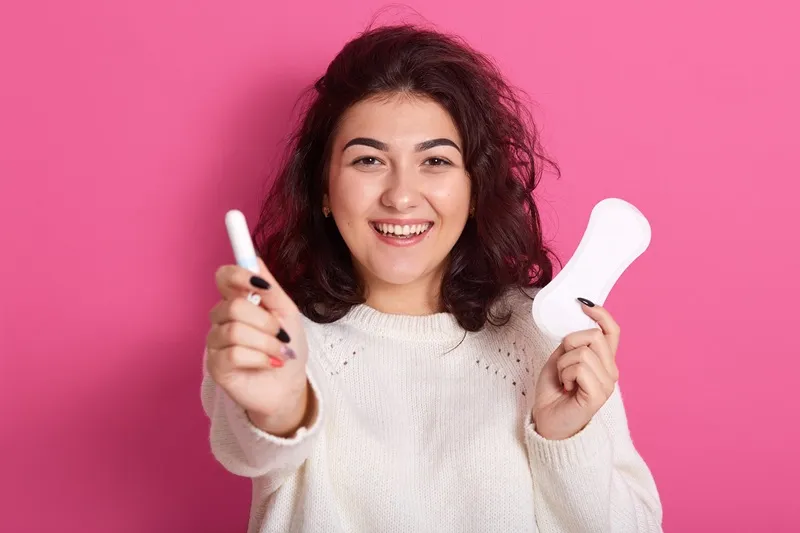
Menstrual hygiene remains a significant women’s health topic across India. Although awareness has grown, many women and adolescent girls still lack access to safe information and sustainable menstrual care choices.
This guide explores how adopting zero-waste period practices can improve personal wellbeing while significantly reducing environmental impact — empowering women to approach menstruation with comfort, dignity, and confidence.
—
What Is Menstrual Health & Hygiene?
Menstrual hygiene concerns all practices that promote cleanliness and infection prevention during menstruation. This includes washing the genital area safely, changing products frequently, managing waste properly, and selecting suitable menstrual products.
Menstrual health also reflects emotional and social wellbeing — comfort, confidence, freedom of movement, and the ability to lead daily life without limitation.
—
Health Effects of Poor Menstrual Hygiene
Physical impacts include:
- Skin rashes and irritation from prolonged use of damp materials.
- Urinary tract infections (UTIs) causing pain and frequent urination.
- Reproductive tract infections that may progress to pelvic inflammatory disease.
- Rare but serious toxic shock syndrome when products remain unchanged too long.
- Long-term cervical health risks.
Mental and emotional impacts include:
- Shame, anxiety, and lowered self-confidence.
- Social withdrawal from school, work, or public activities.
- Increased emotional stress due to stigma.
—
Types of Menstrual Hygiene Products
Disposable Sanitary Pads
Convenient but responsible for the majority of menstrual plastic waste. Must be changed every 4–6 hours.
Tampons
Absorb internally. Require frequent changing (4–6 hours) to prevent TSS and environmental waste buildup.
Reusable Cloth Pads
Washable pads that may be reused up to 60 times when cleaned properly.
Menstrual Cups
Medical-grade silicone cups that last up to 10 years, collect more flow than pads, and generate minimal waste.
Period Panties
Reusable absorbent underwear suited for light-to-moderate flow days.
—
The Importance of Menstrual Hygiene
- Prevents infections and skin problems
- Supports emotional confidence
- Enables school, career, and social participation
- Protects reproductive health
- Promotes bodily autonomy awareness
—
Causes of Poor Menstrual Hygiene in India
- Limited access to affordable products
- Lack of private sanitation facilities
- Inadequate menstrual education
- Stigma preventing open discussion
- Financial dependence
—
Menstrual Hygiene Management (MHM)
MHM combines education, product access, and sanitary infrastructure to ensure menstruation is managed safely and with dignity.
- Change products every 4–6 hours
- Wash hands before & after each change
- Dry reusable items in sunlight
- Dispose non-biodegradable waste responsibly
- Encourage menstrual awareness discussions
- Seek medical advice for abnormal symptoms
—
Benefits of Sustainable Period Care
- Reduced plastic waste and pollution
- Long-term financial savings
- Lower exposure to synthetic chemicals
- Greater independence and preparedness
- Eco-responsible consumption habits
—
Tips for Adopting Zero-Waste Periods
- Transition gradually — trial cups or cloth pads first.
- Track personal comfort & hygiene consistently.
- Use breathable pouches for storing products.
- Wash reusable items with fragrance-free soap.
- Air-dry items in sunlight whenever possible.
- Prepare kits for school or work needs.
- Follow correct local disposal policies.
—
Sustainable Menstrual Product Options
- Menstrual Cups: Last up to 10 years.
- Cloth Pads: Washable for 2–4 years.
- Period Panties: Ideal for light-flow days.
—
Frequently Asked Questions
Are menstrual cups safe?
Yes — when used correctly and sanitized as per guidelines, cups are safe and medically approved for most users.
Can teenagers use menstrual cups?
Yes, with medical guidance and personal comfort assessment.
Are reusable pads hygienic?
They remain safe when washed thoroughly and dried completely before reuse.
What is the cleanest period option?
Menstrual cups are widely considered the cleanest and most sustainable option when maintained properly.
—
Trusted Guidance
At Dr. Nitasha Gupta’s clinic, we support women’s wellness education alongside medical care.
Find fertility and women’s wellness services at our IVF Centre in Dhakoli.
International menstrual guidance references:
—
Need Personal Guidance?
For menstrual health consultations or women’s wellness support under
Dr. Nitasha Gupta, contact: